
Finding Stability in Uncertain Times: How Elections, the Stock Market, and Mental Health Are All Connected
Election season can feel like a perfect storm of unpredictability. For many, this period brings anxiety about what lies ahead—not just in terms of leadership, but in how the economy and their personal finances might change. In fact, according to the American Psychological Association, over 50% of Americans report that elections are a significant source of stress.
Add financial concerns, and you’ve got a cocktail of emotions that can impact mental health.
In this post, we’ll break down:
How elections impact the stock market
The connection between financial uncertainty and mental health
Practical ways to prepare financially and emotionally
How to build mental resilience in uncertain times
1. The Election and Stock Market Rollercoaster
Election Cycles and Market Fluctuations
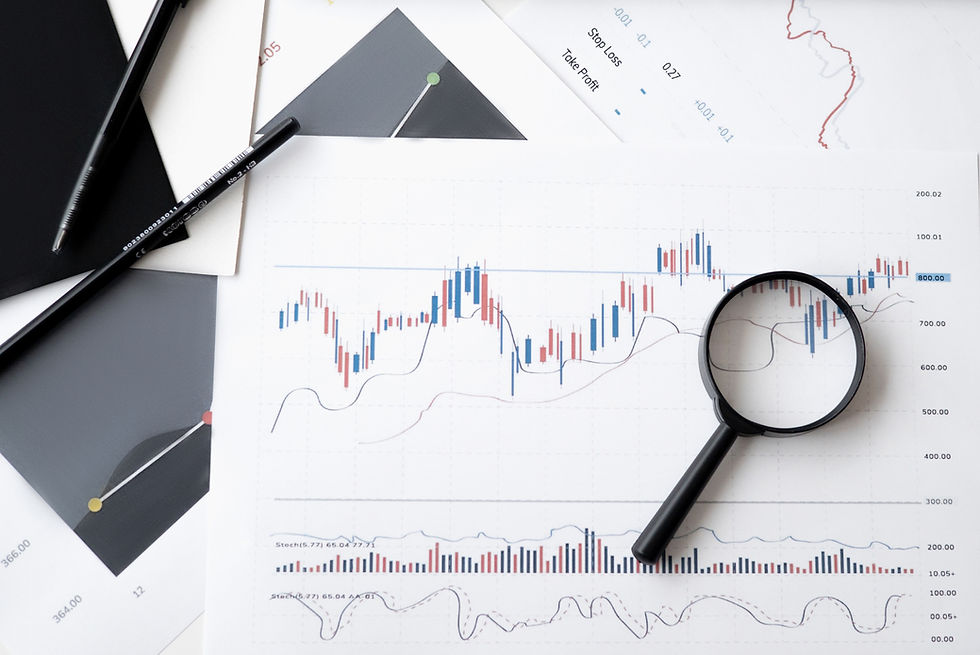
Historically, markets respond to election outcomes, often with increased volatility around presidential elections and key midterm races.
Why?
The stock market craves stability. The financial world responds to expected (and unexpected) changes in leadership, party control, and policies that could impact industries from healthcare to tech.
For example:
Pre-Election Volatility: In the months leading up to elections, markets typically see fluctuations due to the uncertainty of potential policy changes.
Post-Election Stability (or Instability): After the election, markets sometimes stabilize as policies become clearer. However, this can also mean significant shifts in sectors affected by new or changing regulations.
A study by Forbes revealed that during recent election cycles, 70% of investors reported feeling anxious about their portfolios.
So, if you’re finding it hard to focus on anything but your investments lately, you’re not alone.
2. How Financial Stress Impacts Mental Health: The Real Cost of Uncertainty
The Anxiety of Financial Unpredictability
Money and mental health are closely intertwined. According to the APA, nearly 65% of Americans report that money is a leading cause of stress. During election years, this stress is compounded by concerns over job security, inflation, and the potential impact of new economic policies. When finances feel out of control, it can lead to a range of emotions, from anxiety to depression. This is especially true during election cycles when major changes seem imminent but entirely unpredictable.
The Cost of Constant Vigilance
The relentless monitoring of stock portfolios, checking news feeds for market updates, or refreshing headlines for the latest polling data? It’s called “hypervigilance,” and it’s mentally exhausting. This state of heightened awareness can cause burnout, disrupt sleep, and even impact our relationships. While a certain amount of caution is beneficial, constant hyper-vigilance can drain our mental health, especially when election season stirs up volatility.

3. Financial Preparedness: Tips for Staying Steady in Election Seasons
Fortunately, there are ways to weather financial uncertainty during election cycles while maintaining a healthier mindset. Here are some strategies to try:
A. Diversify Your Portfolio
A diverse portfolio tends to be more stable because it spreads risk across various investments. By balancing your assets across sectors, you’re less exposed to the risks that might affect one particular industry during a political transition.
B. Avoid “Panic Selling”
During volatile times, some people feel the urge to make sudden changes to their portfolios, often selling assets due to fear. However, history shows that markets tend to recover, and staying the course can prevent regret later. If you’re uncertain, consider consulting a financial advisor instead of making rushed decisions based on short-term election cycles.
C. Create a Budget Buffer
Prepare for economic uncertainty by building an emergency fund if possible. Having a cushion can make it easier to manage unexpected financial strains, helping you feel more secure, even during politically charged times.

4. Mental Health Tips for Election and Finance-Related Stress
The good news?
There are ways to stay grounded and prevent financial stress from impacting your mental health.
Practice Financial Mindfulness
Staying financially mindful is all about taking one step at a time. Financial mindfulness means consciously checking in with yourself about what you’re feeling and deciding what, if anything, you need to act on today. Regularly engaging in financial check-ins can help reduce stress and keep things in perspective.
Limit Your News Intake
While staying informed is important, a constant flood of news can feed anxiety. Schedule specific times each day for checking news and market updates, rather than allowing it to be a constant background noise.
Focus on What You Can Control
One of the best ways to combat election and financial anxiety is to focus on the things you can control, like your spending, savings habits, and how you allocate your time. Setting small, manageable financial goals can help you feel more in control during unpredictable times.
Consider Therapy for Financial Stress
Financial stress is real, and it’s okay to seek help for it. Therapy can provide tools to manage financial anxiety and help you develop a healthy relationship with money. Cognitive Behavioral Therapy (CBT), for example, is effective for managing the types of intrusive thoughts that often come with financial stress.

5. Finding Stability in Uncertain Times: You’re Not Alone
Remember, you’re not alone in feeling anxious about election season. Millions of Americans report that the combination of political and financial stress can feel overwhelming. But there’s also hope. Financial uncertainty doesn’t last forever, and markets tend to find equilibrium over time.
If you’re feeling the weight of it all, take a deep breath. Reach out to your support system, whether that’s a friend, a financial advisor, or a therapist. Sometimes, just sharing your worries can lessen the burden. Holding onto your sense of stability through small, proactive steps will not only help your finances—it’ll support your mental health.


jili win leads me to review the readability of information presented in compact spaces. On smaller screens, long descriptions, dense menus, and tightly packed controls can make browsing uncomfortable. Slot games, card games, and fishing games provide examples for checking how titles and category descriptions adapt to limited screen space. I would examine line length, text size, spacing, and whether essential labels remain visible without excessive scrolling. Shortened descriptions can be useful, provided they retain the information visitors need to understand the content. Responsive presentation should preserve clarity instead of removing context indiscriminately. These considerations help establish whether a website remains understandable across different devices and viewing conditions.
JILIWIN encourages me to evaluate how different gaming formats can be introduced without making the homepage feel overcrowded. A clear information hierarchy helps visitors understand which elements are categories, which are individual titles, and which provide additional guidance. I would explore casino games, bingo, and slot games to consider how each group could be distinguished through concise labels and consistent imagery. I would also assess the balance between promotional banners and practical navigation tools. If decorative elements dominate the page, important information may become harder to locate. For me, a well-designed homepage should establish a clear starting point and make the next step understandable without requiring visitors to interpret an unnecessarily complicated layout.
88JL makes me pay attention to how different content areas appear when browsing on a smaller screen. I usually look at the main sections first and let their visual presentation guide my next choice. Slot game attracts my attention through themed reels and jackpot elements, while Fishing Games introduces underwater imagery. Moving into Sports with tennis shifts the screen toward match details and available information. The mobile interface gives me a compact view of these different areas, and I gradually recognize their titles and visual patterns. After several sessions, finding familiar sections becomes a natural part of how I explore.
sp8bet làm mình để ý đến cách các khu vực được kết nối khi không sử dụng theo một đường cố định. Mình thường lựa chọn phần tiếp theo dựa trên nhu cầu hiện tại, đồng thời quan sát những mốc giúp nhận biết vị trí trong cấu trúc chung. Có phiên mình chuyển từ Xổ số sang Thể thao rồi tiếp tục tới Bắn cá để xem cách từng danh mục được tổ chức. Mỗi khu vực có phạm vi riêng nhưng menu vẫn là điểm mình dựa vào khi muốn thay đổi hướng. Qua nhiều lần di chuyển, mình dần ghi nhớ cách các phần được phân nhóm. Điều này giúp mình tìm lại nội dung đã sử dụng…
f168s khiến tôi quan tâm đến khả năng định hướng khi cần tìm một nội dung cụ thể. Tôi bắt đầu bằng việc quan sát những lựa chọn được đặt ở vị trí dễ thấy, sau đó thử di chuyển qua các khu vực khác nhau để kiểm tra mức độ thuận tiện. Trong quá trình xem Thể thao, Nổ hũ và Xổ số, tôi chú ý cách từng nhóm được phân biệt bằng tên gọi và hình ảnh đại diện. Việc nhận biết đúng khu vực giúp hạn chế thao tác nhầm, đặc biệt khi có nhiều lựa chọn xuất hiện trên cùng giao diện. Tôi cũng xem xét khả năng quay lại nội dung trước đó mà không phải…